It’s easy to get caught up in the seasonal shifts of fishing, and as the air turns crisp and the leaves begin to change, a lot of anglers make some pretty common mistakes. While many are hanging up their gear for the season, the savvy fisherman knows that some of the best fishing of the entire year is just getting started. It's a time when the fish get aggressive, and the rewards can be incredible. But to truly unlock the potential of the fall bite, you need to avoid the five most common blunders that a shocking number of anglers fall into.
Mistake #1: Not Upsizing Your Presentation Early Enough
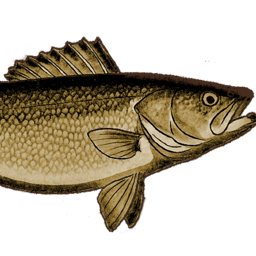
As the days get shorter and the water temperatures start to fall, many anglers stick with the same small baits they were using all summer. This is a huge mistake. Think about what's happening in the water; the baitfish that were spawned in the spring have had all summer to grow. What was a tiny little fry is now a sizable meal. Walleyes are not looking for a snack; they are looking for a substantial, energy-rich meal to fatten up for the long winter ahead.
The key is to match the hatch, but on a bigger scale. In the spring and early summer, a 3.5-inch swimbait or a small minnow might be the ticket. But by the time fall rolls around, it's time to go big. As the walleye's natural forage gets bigger, your presentation should follow suit. Don't be afraid to throw a 6-inch swimbait or a larger stick bait. The fish are looking for a larger profile, something that says "easy calories," and a bigger bait is just the ticket.
This isn’t limited to just plastics and crankbaits. If you're using live bait, go for the largest minnows you can find. Don't settle for the dinky bait that worked in June. The walleyes' metabolism is changing, and their feeding habits are becoming more aggressive and focused on larger prey. You'll be surprised at how willing they are to inhale a large bait, and the hard, confident bites you'll get will be all the proof you need. So, before you head out this fall, take a look at your tackle box and ask yourself: are my baits big enough for the feast?
Mistake #2: Hard-Switching to Fall Patterns Too Soon
This one is a common and often costly mistake. The moment the calendar flips to fall and the first cold front hits, a lot of anglers abandon their summer tactics and immediately jump into what they perceive as "fall patterns." They switch to minnow-style presentations and deep-water rigging, thinking that's what's required for the colder water. While those techniques have their place later in the season, you're missing out on a golden opportunity by making the switch too early.
The transition from summer to fall is gradual, and so should your fishing approach be. Your trusted summer patterns can still be incredibly effective well into the fall. I’ve caught fish on a drop-shot rig with a nightcrawler in 48-degree water, so don't be so quick to toss aside the methods you’ve spent all summer perfecting. Fish will still be holding in similar spots and responding to the same presentations even as water temperatures drop from the mid-70s into the low 60s.
Keep using those plastics, leeches, and other presentations that worked for you in the heat of summer. You’ll find that walleyes are often still active and willing to chase a bait, and you can leverage your knowledge of their summer haunts to put a lot of fish in the boat. The key is to be observant and not be afraid to mix it up. Don't let a change in season dictate a sudden, complete change in your approach. Hold onto those summer patterns until the fish tell you it's time to move on, not the calendar.
Mistake #3: Going All-In on Minnows
There’s a misconception that once fall hits, it’s all about live bait, specifically minnows. While live bait is a classic and effective tool, completely ignoring artificial lures is a mistake that will cost you fish. Sure, there are days when the bite is tough, and a live minnow on a jig is the only thing that will get a strike. But for a large part of the fall, especially as fish become more active, artificials can be even more productive.
Plastics, crankbaits, and rattle baits can be dynamite in the fall. The reason is simple: fish respond to activity. A live minnow, even when rigged on a jig, is a relatively slow and methodical presentation. When a fish bites, they tend to just suck on it, which can lead to missed strikes and soft bites. But when you rip a plastic swimbait or pop a minnow-style plastic in front of a walleye, they have to make a quick decision. They are used to baitfish swimming by quickly, and they hit artificial lures with a commitment that you just don't get with live bait. It's a "thunk" or a "drill" of a bite that leaves no room for doubt.
By using artificials, you can trigger a more aggressive bite and ultimately catch more fish. So, while you should always have some live bait on hand—because you never know—don’t be afraid to experiment with plastics and crankbaits. You might find that on a lot of days, you’re catching more and bigger fish on lures than on live bait. The fish's behavior will often match your own, so if you get aggressive with your presentation, they'll get aggressive with their bite.
Mistake #4: Committing to the Deep Bite
This is a pet peeve of mine. A lot of anglers seem to think that once fall arrives, all the walleyes move to ultra-deep water. They head out to the 30-, 40-, or even 50-foot break lines and start rigging or trolling. While there are certainly fish out deep, this singular focus on the deep bite is a mistake on multiple fronts.
First, it’s not always where the best bite is. The fall season often produces one of the best shallow-water bites of the entire year. As the water cools, walleyes will move onto shallow flats and into remaining weed beds. These areas can be absolute magnets for big, feeding fish. While everyone else is out in a boat-jostling crowd on the deep break line, you can be up in 8-15 feet of water, often catching three times as many fish.
Second, and perhaps most importantly, is the issue of fish mortality. Walleye caught from deep water often suffer from barotrauma, where their swim bladder expands, making it difficult for them to return to the depths. While some fish can be vented, many will not survive. When you’re fishing shallow, you can catch and release fish all day with a much higher survival rate. So, before you follow the pack out to the deep brake, consider sneaking up into the shallows. Rip some plastics through the weeds, or work a jigging minnow on a sand flat. Not only will you likely catch more fish, but you’ll also be doing a favor for the fishery.
Mistake #5: Putting the Boat Away Too Early
This is arguably the single biggest mistake an angler can make in the fall. I see it time and time again: as soon as the first frost hits, the boats are put into storage. You're putting your boat away just as the bite is getting insane. The fall bite is one of the most productive and exciting times to be on the water. Fish are actively feeding and bulking up, and they are much more willing to hit a variety of baits.
Where I live in Minnesota, we miss out on a lot of the spring bite because the season doesn't open until after the spawn. But the fall season is our chance to take full advantage of a "cold water" bite. This is the time when you can catch fish up shallow, on both artificials and live bait. The fish are just so aggressive. Don't let a few chilly mornings scare you off the water. Dress in layers, pack a thermos of coffee, and get out there.
Beyond just the great fishing, staying on the water late into the fall can give you a huge advantage for the ice fishing season. By scouting and fishing in November, you can find pods of fish that will likely be in the same locations when the ice forms. You're not just getting in a few more days of fishing; you're setting yourself up for success for the next season. So, resist the urge to winterize your boat too early. The fall bite is too good to miss, and the ice will be here before you know it.
The fall season offers some of the most rewarding and memorable fishing experiences of the year. By avoiding these five common mistakes—upsizing your baits, trusting your summer patterns, embracing artificials, staying in the shallows, and refusing to put your boat away—you'll be well on your way to a season filled with success. So, what are you waiting for? Get out there and take advantage of the insane fall bite.